
Local AI in Elastic: a model on your own hardware for SIEM and search
We connect the AI features of Elastic Security and Elasticsearch to an open language model running on hardware in your network. Alert analysis, rule migration and document search then work without sending data to a cloud model provider. Relipoint is an official Elastic partner, and our sister company Conetso Group supplies the hardware.
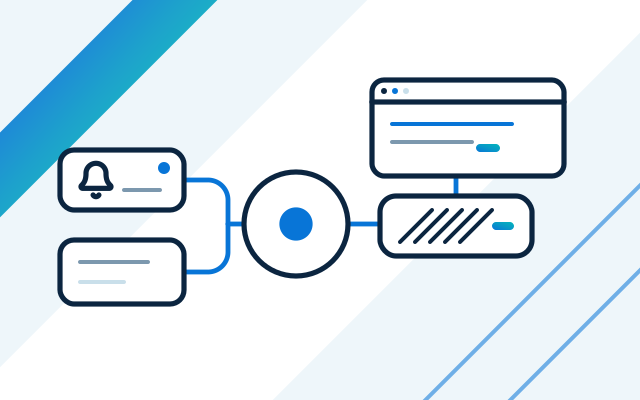
When companies ask about a local model in Elastic
-

Alerts must not leave the company
Prompts sent to the model contain host names, user names and IP addresses. With a cloud model, that data reaches its provider.
-

A SOC network without internet access
In an air-gapped environment, the AI features in Elastic only work with a model running on site.
-

Too many alerts to analyse by hand
Attack Discovery and the agents in Elastic Security group alerts into attack descriptions. A local model lets you use them without changing your data protection rules.
-

Nobody can find answers in the documents
Meaning-based search in Elasticsearch with a local model answers questions about procedures and documentation without sending them to the cloud.
Local AI in Elastic means an open language model running on hardware in your network, which the AI features of Elastic Security and Elasticsearch use instead of a cloud service. The model handles alert analysis, rule migration and answers about documents, and the data stays inside the company.
We usually start with SIEM on Elastic Security, because that is where prompts to the model contain the most sensitive data. We run the platform as an Elastic deployment, and monitor the model server together with the applications as part of application monitoring.
How we price it
We set the price after a conversation. It depends on the number of AI tasks, the model size and hardware, the volume of alerts and documents, your Elastic version and subscription, and the scope of maintenance. The trial on Conetso Group hardware is free.
AI workstations, GPU servers and the free trial are described in the local AI section of Conetso Group.
What we do
- We agree the tasks for AI and choose the model and hardware for them
- We run the model server with an OpenAI-compatible API (such as vLLM) and secure it with TLS, a token and firewall rules
- We connect the model to Elastic Security, meaning Agent Builder, Attack Discovery, automatic rule migration and Automatic Import
- We configure field anonymisation and the scope of data Elastic passes to the model
- We build meaning-based search in Elasticsearch over company documents, with an embedding model chosen for your language
- We monitor the model server and GPUs in Elastic, including response time, request queue and GPU temperature
- We check answer quality on your own alerts and documents before a permanent rollout
Who it is for
- You want to use AI in your SIEM, but alert data must not reach an outside provider
- Your SOC or production network has no internet access
- You run Elastic with an Enterprise subscription and want to use its AI features
- You are looking for company document search with an AI assistant that runs in your network
AI in your SIEM on your own model
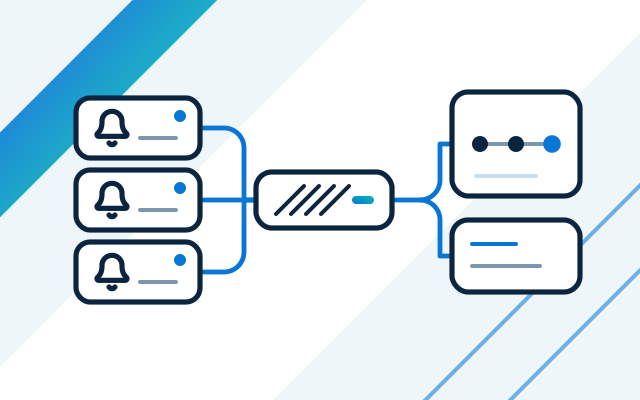
Agent Builder answers questions about alerts, Attack Discovery turns alerts into attack descriptions, and automatic migration translates rules from Splunk and QRadar. According to Elastic's ratings, a model that fits on a single NVIDIA GB10 workstation is enough for chat and rule migration. Attack Discovery needs a much larger model, so we size the hardware to the tasks, not the other way round.
Searching company documents
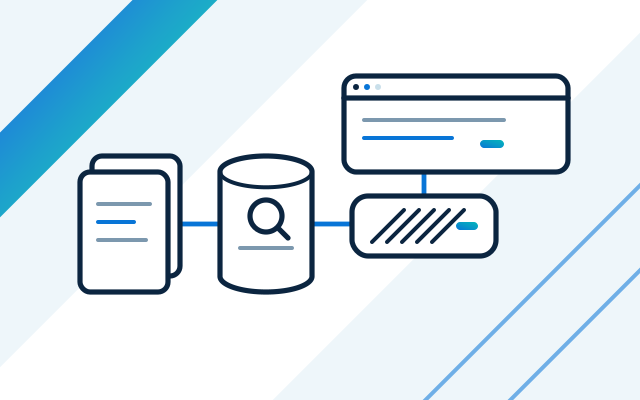
Elasticsearch indexes the documents and searches them by keyword and by meaning, and the local model writes the answer from the passages found. We choose the embedding model for your language and test it on questions employees actually ask.
Monitoring and securing the model
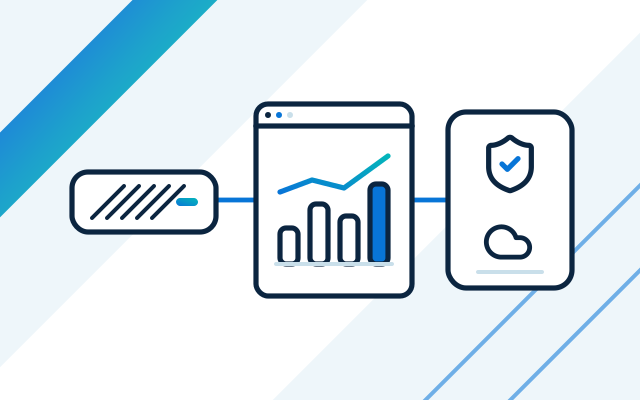
We treat the model server like any other production service: we collect its metrics and GPU metrics in Elastic, set alerts, and Elastic Security rules detect a model server exposed to the internet.
How we work
- 1
Conversation and choice of tasks
We agree what the AI is for, what data may be passed to the model and which Elastic version and subscription you have.
- 2
Trial on Conetso Group hardware
Conetso Group lends an NVIDIA GB10 workstation free of charge for up to 2 weeks. We connect it to your Elastic and compare models on real data.
- 3
Rollout
We choose the target hardware, run the model server, connect the Elastic features and configure anonymisation.
- 4
Monitoring and maintenance
We monitor the model and GPUs, update the model and check answer quality after changes in Elastic.
Experience
- Relipoint is an official Elastic partner, and our team holds vendor accreditations in Security.
- AI workstations and GPU servers from Dell, Lenovo and HP are supplied and serviced by Conetso Group.







Frequently asked questions
Do the AI features in Elastic work with a model on our own server?
Yes. Elastic connects to the model through an OpenAI-compatible API, which vLLM, LM Studio and Ollama all provide. From 9.5 the model is connected as an inference endpoint, and in 9.0–9.4 through an OpenAI connector. Elastic's documentation also covers air-gapped environments.
Is a local model as good as a cloud model?
For some tasks, nearly. Elastic rates models on a scale of 1 to 10, in separate tables for commercial and open models. The best open model had an overall score of 8.78 in the November 2026 measurement, and the leading commercial models have 9.24. The differences depend on the task. Attack Discovery is the hardest for open models, so we check quality on your data before the rollout.
Which Elastic subscription do we need?
On a self-managed deployment, AI features with a model from outside Elastic usually require an Enterprise subscription. The exact scope depends on the feature and version, so we check it at the start.
How is this different from Elastic Inference Service?
Elastic Inference Service provides models hosted by Elastic, running in Elastic Cloud. According to the documentation, requests from self-managed deployments go to an AWS region in the United States. A local model runs on hardware in your network.
What hardware is needed?
For alert chat, rule migration and document search, an NVIDIA GB10 workstation (128 GB of memory) is usually enough. Attack Discovery and many simultaneous users need a server with several GPUs. Conetso Group selects and supplies the hardware.
See also
-
SIEM and IT security on Elastic Security
SIEM on Elastic Security: threat detection, correlation, alerts, response automation (SOAR), EDR, reports and compliance.
-
Elastic Stack implementation: licences, deployment and support
Official Elastic partner: licences, implementation, cluster cost and performance optimisation, maintenance and on-call.
-
Application and service monitoring on Elastic APM
Availability, response times, errors and request traces for web applications and services: Elastic APM and OpenTelemetry.
-
Conetso Group
Local AI at Conetso Group
AI workstations built on NVIDIA GB10, GPU servers and a free hardware trial of up to 2 weeks.